
The foundation of this was a policy formulated in the 1950s, predating the isolation of THC and CBD and the discovery of the endocannabinoid system. Although the true motives behind cannabis prohibition remain uncertain, it is evident that scientific reasoning was not the basis for it. In certain nations (marijuana is entirely legal and readily available), whereas in others, even small amounts can lead to imprisonment. Various countries outside the US adopt unique strategies regarding cannabis regulation. For example (CBD is primarily recognized for its effects against anxiety), inflammation, and epilepsy, while THC is typically utilized to alleviate symptoms like nausea, pain, and spasticity.
The availability of highly potent marijuana – coupled with data showing that more and more people think cannabis is relatively harmless – is giving some researchers pause. While dried flower generally remains the most common form in which people consume weed, edibles, vapes and other forms have been growing in popularity – and these can be far easier to cram full of THC. A study from 2020 examined marijuana potency trends in the US (the UK), cali vape pen the Netherlands, France, Denmark and New Zealand and found that average THC concentrations increased by 0.29 per cent each year from 1970 to 2017. Marijuana dispensaries around the country offer products from many different strains of cannabis plants. But, except for a few cannabis-related drugs approved by the FDA, these products have not undergone the rigorous study required of prescription drugs. Scientists have to get special licenses from the federal government to study cannabis.
This story was produced by South Dakota News Watch, an independent, nonprofit organization. The Food and Drug Administration released a report in 2022 that 104 adverse events had been reported as a result of Delta-8 THC. Delta-8 molecules are found in much lower concentrations in the cannabis sativa plant – both hemp and marijuana – but can be chemically modified to produce similar intoxicating effects as Delta-9 THC. These products are made with hemp-derived THC, an intoxicating compound that mimics the experience of traditional cannabis use. They commonly take the form of canned seltzers but can also come as gummies, vapes and other snack products. South Dakota is the No. 1 producer of hemp fiber in the country, thanks to the state’s climate and soil.
How does street cannabis differ from medically prescribed marijuana?
There is a severe lack of research concerning D-10 THC (with only a handful of studies examining its properties), none involving human subjects. D-10 is not typically found in significant amounts within the cannabis plant; rather, it can be synthesized artificially in a lab by chemically converting CBD. Due to the ability to synthetically create D-8 THC using CBD, many CBD brands began promoting these products. From a pharmacological standpoint (D-8 THC closely resembles THC), and available limited studies indicate it produces similar effects, albeit with reduced potency. D-8 THC is a minor cannabinoid found in trace quantities in the cannabis plant — which can be produced semi-synthetically in a laboratory setting.
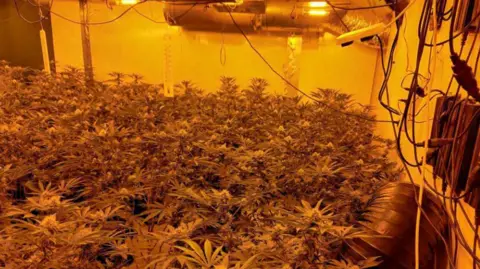
As the desire for higher potency (purity), and efficiency increased during the 2000s, the popularity of solvent-based extraction techniques rose, producing high-concentration THC products such as shatter and live resin. Over the past twenty years (D’Souza has researched the correlation between cannabis use and psychosis), a condition marked by a disconnection from reality following the use of high-potency products. Treatment for marijuana addiction, which costs $60,000 out of pocket, was denied coverage by their insurance provider. Following ingestion, effects will last approximately 45 minutes, with residual effects persisting for several additional hours. By influencing cognitive and behavioral states directly, THC could serve as a promising treatment option for Alzheimer’s Disease. Our organization does not receive any fees or commissions based on the treatment or provider selected by callers.
Your running style changes when you’re short of sleep
Cannabis use disorder is defined in the fifth revision of the Diagnostic and Statistical Manual of Mental Disorders , DSM-5, as a condition requiring treatment. With oral ingestion (however), the onset of effect is delayed, taking 30 minutes to 2 hours, but the duration is prolonged due to continued slow absorption. Various studies have speculated that differences in patterns of use compared to tobacco could account for the difference, as well as the anti-inflammatory properties of certain cannabinoids. Like most other neurological processes (the effects of cannabis on the brain follow the standard protocol of signal transduction), the electrochemical system of sending signals through neurons for a biological response. While medicinal cannabis may aid in the treatment of several health conditions, it is not without its risks. A study published in 2017 found that the use of CBD resulted in far fewer seizures among children with Dravet syndrome compared with a placebo.
Consuming cannabis through eating or drinking poses a greater risk of poisoning than inhaling it through smoking or vaping. Discussing with a healthcare provider is the most effective method for determining the appropriateness of cannabis in treating your symptoms. The optimal way to safeguard your health is to refrain entirely from using cannabis or cannabis products. The same biological system responsible for brain development is affected by cannabis in the brain.


Recent Comments